
By Gbenga Babalola
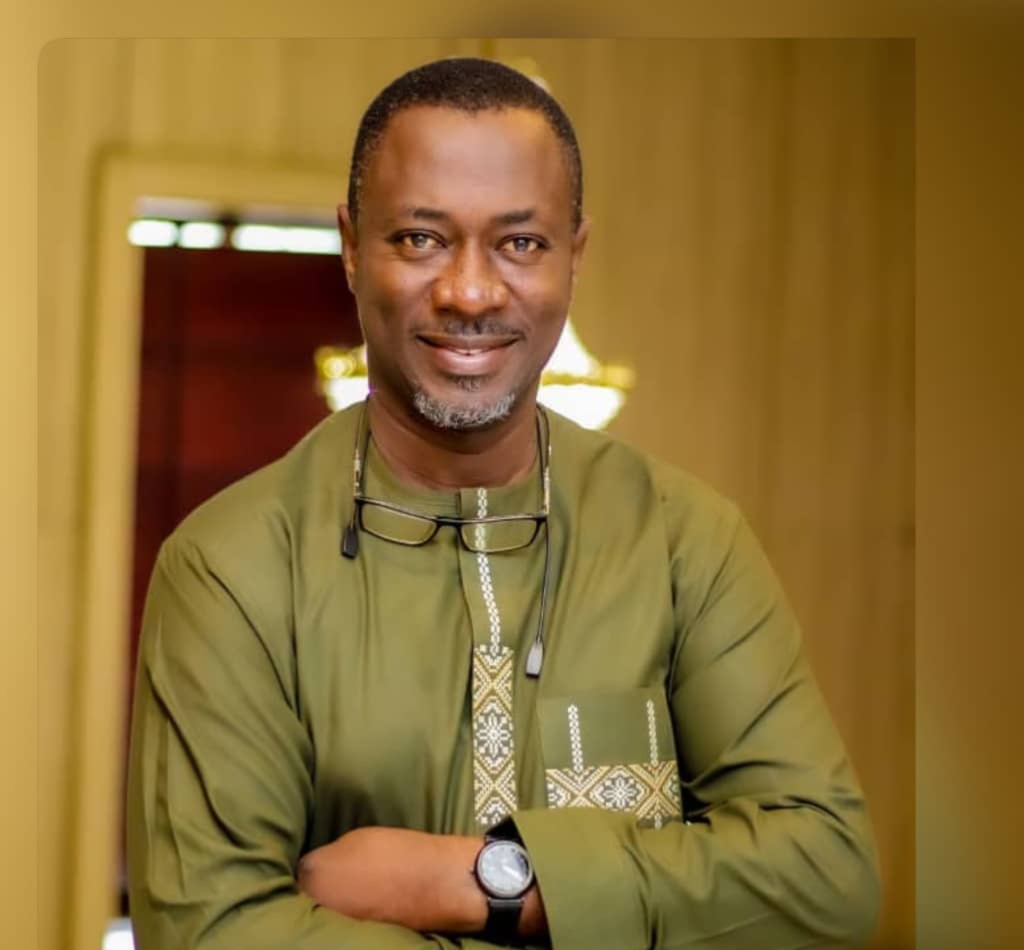
Renowned international development actor and apolitical development analyst, Martin-Mary Falana, has commended the administration of Governor Biodun Abayomi Oyebanji (BAO) for what he described as a remarkable commitment to sustainable development, inclusive governance, and people-centred service delivery across Ekiti State.
Speaking during a review of development indicators in the state, Falana noted that Governor Oyebanji’s administration has consistently focused on the critical indices that development experts and technocrats use in assessing societal progress. According to him, sustainable development is not measured by political rhetoric but by tangible improvements in infrastructure, healthcare delivery, education, economic opportunities, social protection, and institutional strengthening. He stated that Ekiti State has continued to record visible progress in many of these areas under the leadership of Governor Oyebanji.
Falana particularly praised the governor’s achievements in the health sector, describing them as top-notch and highly responsive to the needs of ordinary citizens. He noted that investments in primary healthcare facilities, improvements in access to healthcare services, support for health workers, and efforts to strengthen health systems have contributed significantly to improving the wellbeing of residents across the state. According to him, development is most meaningful when it directly impacts the lives of vulnerable populations, and the health sector remains one of the strongest indicators of the administration’s commitment to human capital development.
The development expert emphasized that meaningful transformation often comes with temporary sacrifices. He observed that societies that have successfully achieved sustainable development did so through deliberate investments, policy reforms, and long-term planning that sometimes required citizens to endure short-term inconveniences for future gains. He therefore appealed to the people of Ekiti State to remain patient, supportive, and focused on the broader developmental vision being pursued by the government.
According to Falana, the foundations currently being laid across various sectors in Ekiti State – education, health, roads are designed to deliver benefits not only for the present generation but also for future generations. He stressed that development should not be viewed through the narrow lens of political competition but through the broader perspective of collective prosperity and societal advancement. He therefore called on political actors, community leaders, youth groups, and stakeholders across party lines to put aside political differences and support the continuity of policies and programmes that have demonstrated positive outcomes for the people.
Drawing parallels with national economic reforms, Falana likened some of the difficult but necessary decisions being implemented at the federal level under President Bola Ahmed Tinubu to similar development-oriented approaches adopted in other successful economies around the world. He noted that economic reforms often require courage, patience, and resilience before their full benefits become evident.
He cited ongoing fiscal reforms, increased investments in infrastructure, efforts to improve public revenue generation, expansion of social intervention programmes, and initiatives aimed at attracting local and foreign investments as examples of measures designed to strengthen Nigeria’s long-term economic prospects. He observed that while some of these reforms have generated short-term challenges, several international financial institutions and economic observers have acknowledged the government’s commitment to restructuring the economy and creating a more sustainable foundation for growth.
Falana maintained that nations that have achieved significant economic transformation often underwent periods of adjustment before experiencing long-term prosperity. He expressed optimism that with consistency, transparency, and effective implementation, Nigeria possesses the potential to become one of Africa’s leading economic success stories and a nation admired globally for its resilience and growth.
He therefore appealed to Nigerians to remain calm, constructive, and supportive of genuine efforts aimed at national development. According to him, criticism is essential in a democracy, but such criticism should be balanced with recognition of positive achievements and a shared commitment to building a better future. He urged citizens to judge leaders not merely by political affiliations but by measurable outcomes that improve the quality of life of the people.
Concluding his remarks, Falana reaffirmed that the true test of leadership lies in the ability to create sustainable systems that outlive individual administrations. He described Governor Biodun Oyebanji’s development approach as one that prioritizes service delivery, institutional strengthening, and people-centred governance, adding that continuity of such progress remains critical to the long-term advancement of Ekiti State and the prosperity of its people.
